

Reading time: min
Fertility does not stop at the workplace door. On 4 November 2026, during European Fertility Week, Fertility Europe and the Coalition for Fertility launched the Double Duty: Career Impact, Workplace Policies and the Support People Need Report in Brussels, at the European Parliament.
The event, Double Duty: Fertility@Work, Equality in Question, was hosted by Quaestor Marc Angel (S&D, Luxembourg) and co-hosted by MEP Majdouline Sbaï (Greens/EFA, France). It brought together policymakers, trade unions, health experts, the UNFPA and people with lived experience.
The message from the room was clear: people should not have to choose between their fertility journey and their career. Yet EU and national frameworks that govern working life are not built to accommodate fertility treatment, and employees are left to absorb the cost.
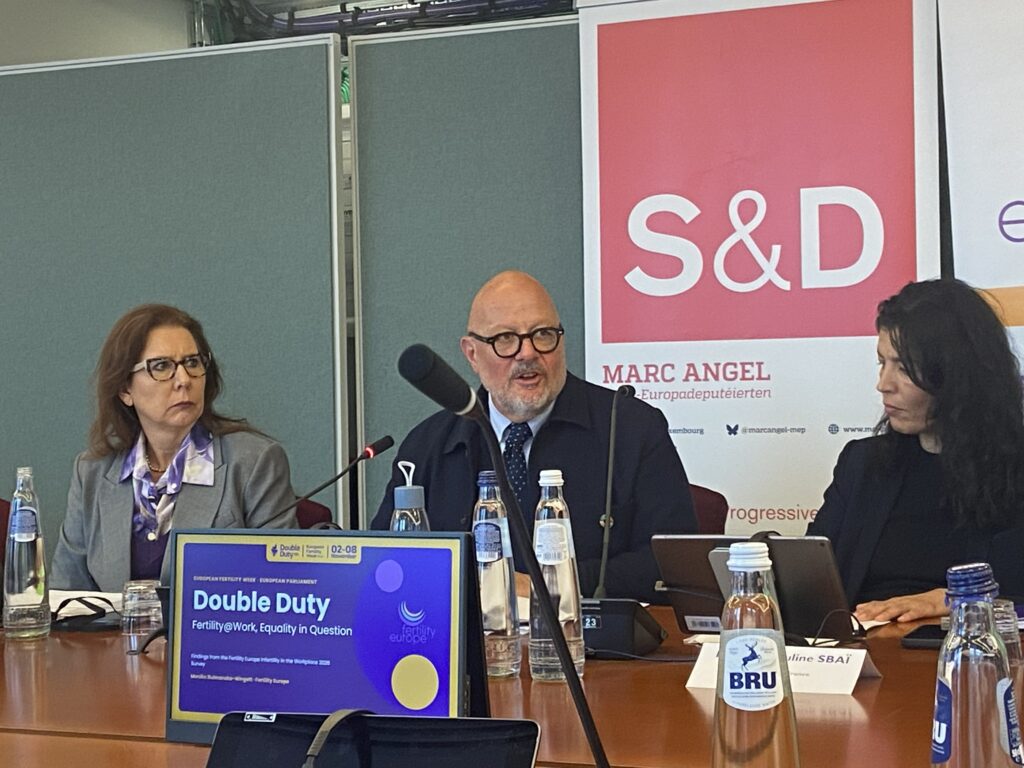
The report draws on Fertility Europe’s Infertility in the Workplace survey: 2,717 respondents from 33 countries and territories. Monika Bulmańska-Wingett, Fertility Europe’s Communication Officer, presented the findings. They show how infertility and treatment with medically assisted reproduction shape working lives: careers, participation at work, and exposure to stigma and discrimination.
People in fertility treatment carry a Double Duty: demanding treatment on one side, full-time work on the other. Most do it in silence. The burden falls disproportionately on women, who made up 98.2% of respondents. Yet fertility treatment remains invisible in EU equality and employment policy.
The report also exposes a financial paradox. People must stay in work to pay for treatment, yet treatment makes it harder to work normally. With fertility-related leave rarely available, many fall back on sick, annual or unpaid leave, paying for treatment twice: in fees, and in lost income or rest.
Opening the event, Quaestor Marc Angel framed infertility as more than a health issue:
“Infertility is not only a health issue – it is also a workplace issue, an equality issue and an issue of economic security. No one should have to choose between their wish to have a child and their career, income or professional future. […] If we are serious about gender equality, decent working conditions, and inclusive labour markets, we must recognise fertility and infertility treatment as part of working life and ensure that our workplaces and policies provide meaningful support.”
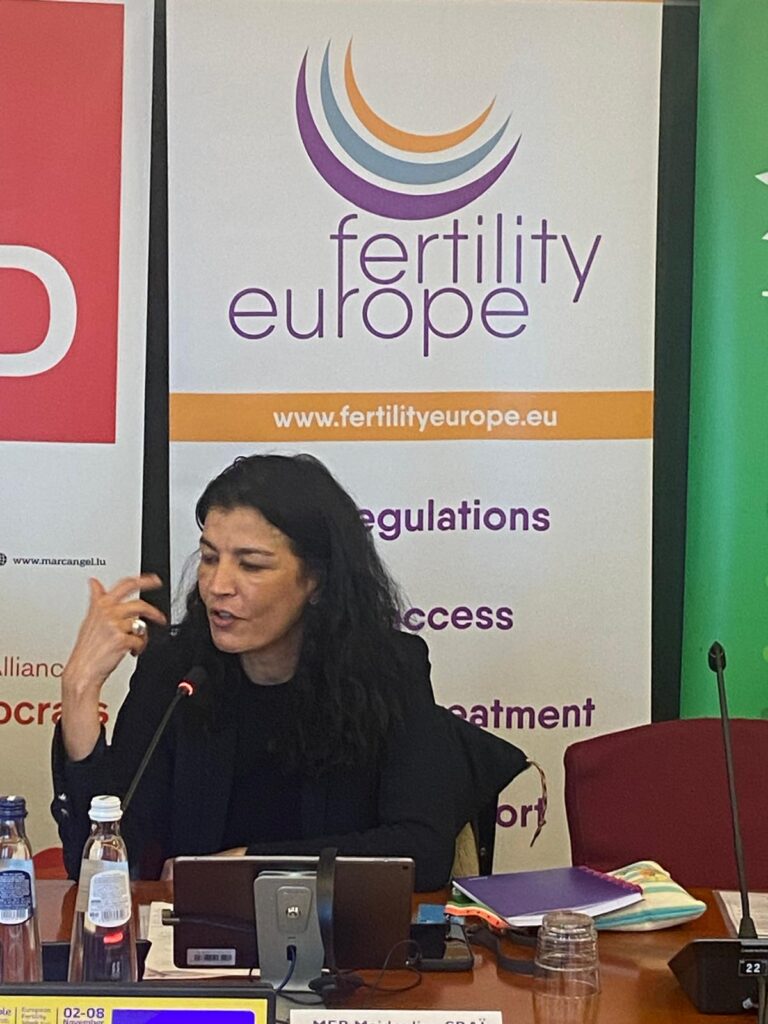
Co-host MEP Majdouline Sbaï spoke from personal experience of living with endometriosis, one of the leading causes of infertility: the pain, the medical appointments hidden at work, and the dilemma of whether to disclose. She drew the parallel with other women’s health issues long treated as taboo at work, such as painful periods and menopause. She stressed that the 96.3% of people who had to piece together different types of leave show that labour law simply ignores fertility journeys. She called for the right to receive treatment without losing one’s job, the right to confidentiality, protection from discrimination, EU-level data collection on infertility, and protection for workers exposed to substances toxic for reproduction.
Mie Marie Brøggler from Denmark shared her story. Weeks after being offered a permanent contract, she told her manager she would start fertility treatment after the summer. When she returned from holiday, she could not log into her work computer. Shortly afterwards, she was dismissed.
After almost five years of legal proceedings, the Danish Supreme Court found grounds to presume her dismissal was discriminatory on grounds of sex, and awarded her compensation of six months’ salary. The judgment confirms that women may be protected against discrimination even before fertility treatment has actually begun.
“If a woman is afraid to tell her employer that she needs fertility treatment, because she fears losing her job, missing out on a promotion, or damaging her career, can we really say that we have achieved equality? I don’t think we can.”
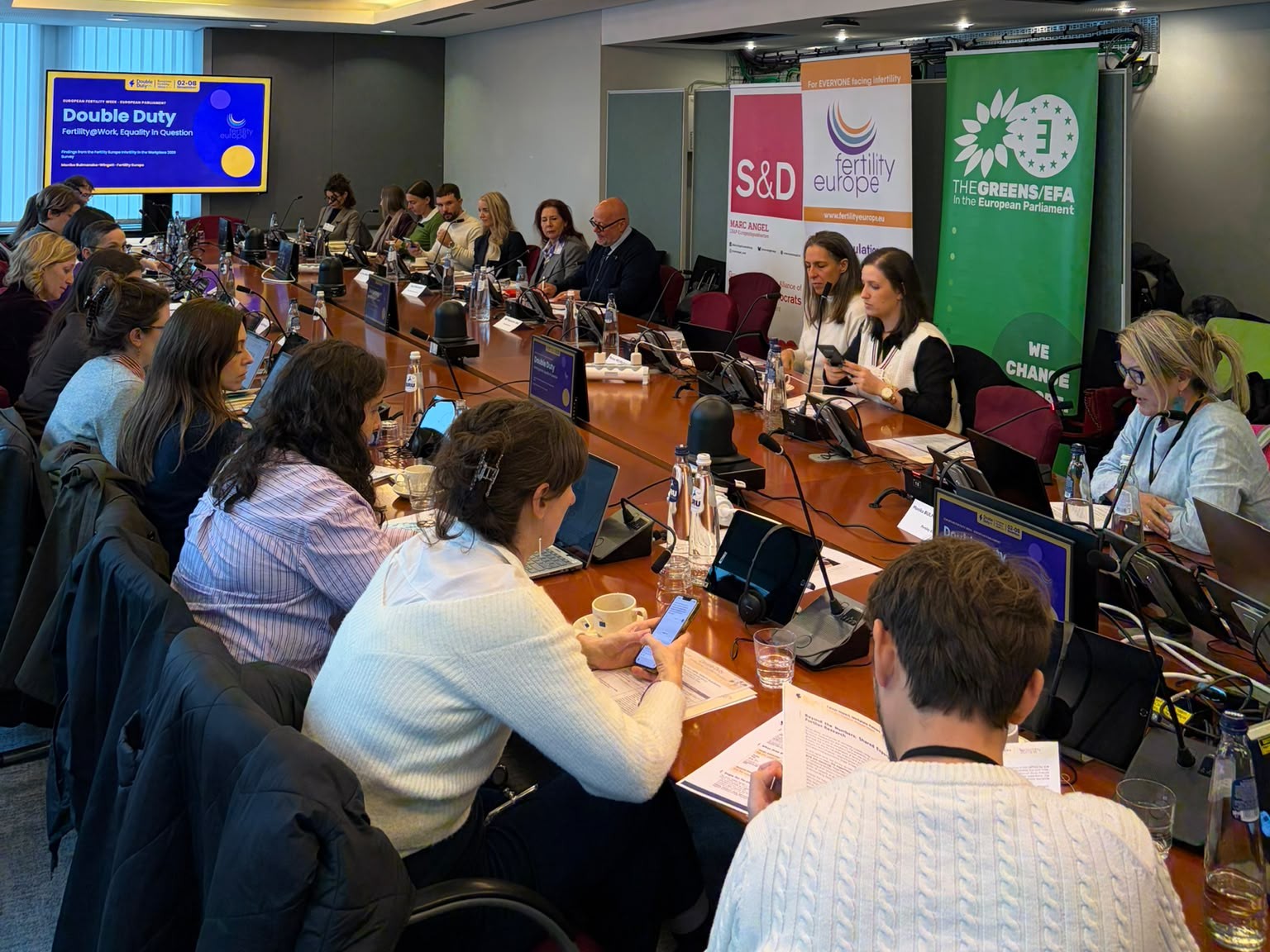
Following a keynote on equality from Eva Schultz, Member of the Cabinet of Executive Vice-President Roxana Mînzatu, the panel turned evidence into action.
Aline Brüser, Advisor on Gender Equality at the European Trade Union Confederation, addressed fertility as a workplace and trade union issue. Fertility treatment is meant to help people build a family, yet many are limiting their professional ambitions as a result. She stressed that workplace provisions must be available to all people who need them.
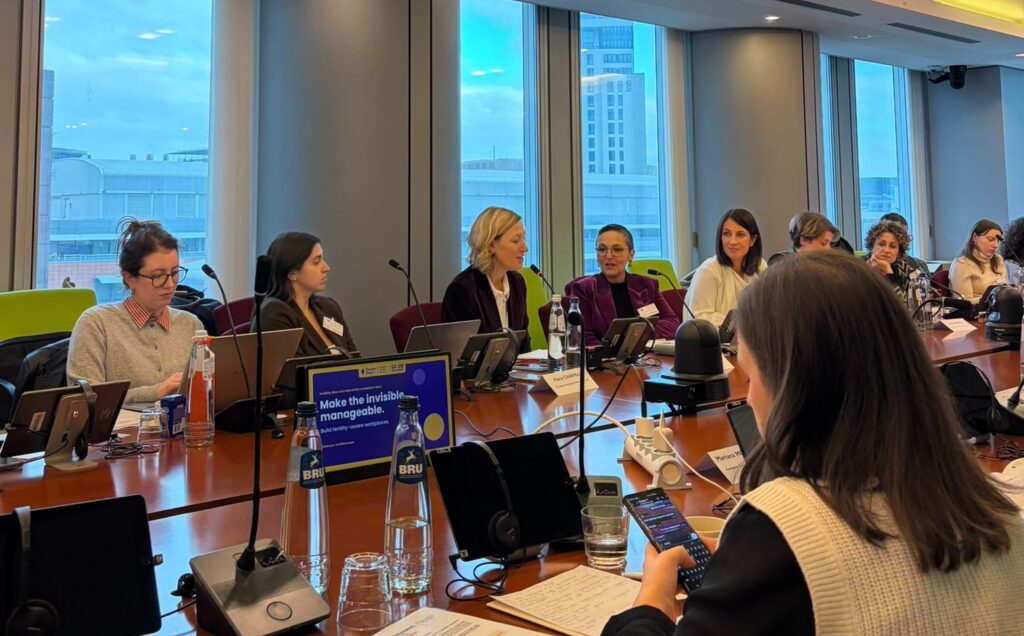
Bojana Santic, Executive Committee Member of Fertility Europe, spoke for patients. She described the fear, stigma and uncertainty that stop people from disclosing treatment, even in supportive workplaces. Relying on individual understanding is not enough, and existing policies often fail to meet patients’ real needs, particularly in smaller workplaces. She called on patient organisations and the Coalition for Fertility to turn these findings into change at European and national level, including through the upcoming reporting on the implementation of the Work-Life Balance Directive.
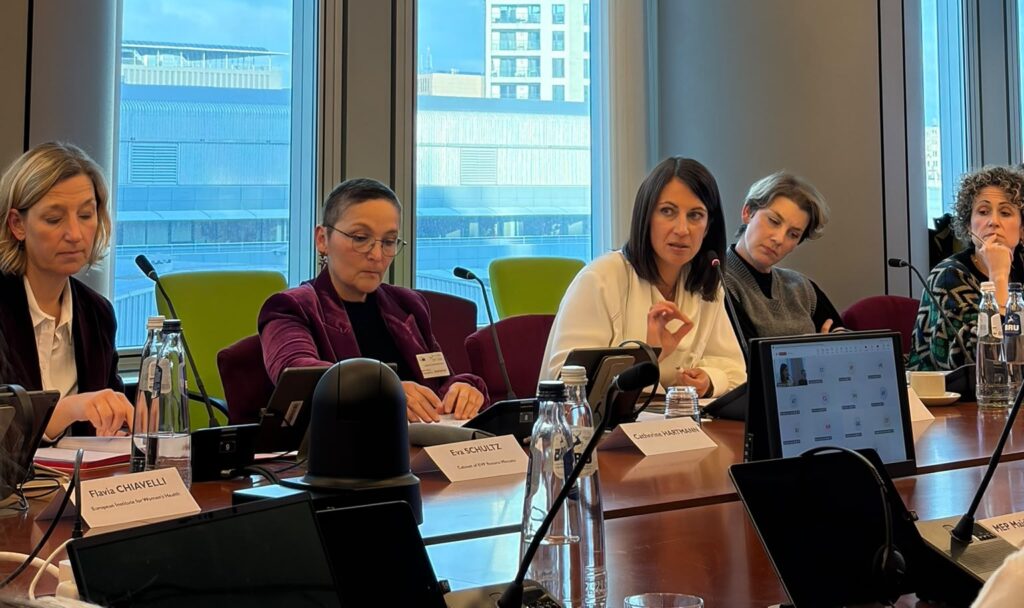
Flavia Chiavelli, Co-chair of the Young Women’s Health Group at the European Women’s Health Institute, warned that reproductive health, employment and gender equality are still handled in separate policy silos. She called for fertility treatment to be made an explicit part of workplace and equality policies, and for reproductive health literacy from a young age. On declining birth rates, she argued for a rights-based approach that supports reproductive choices rather than pressuring people to have children. Employers, she said, need not wait for legislation: clear policies, flexibility for appointments and well-informed managers are part of creating good-quality jobs.
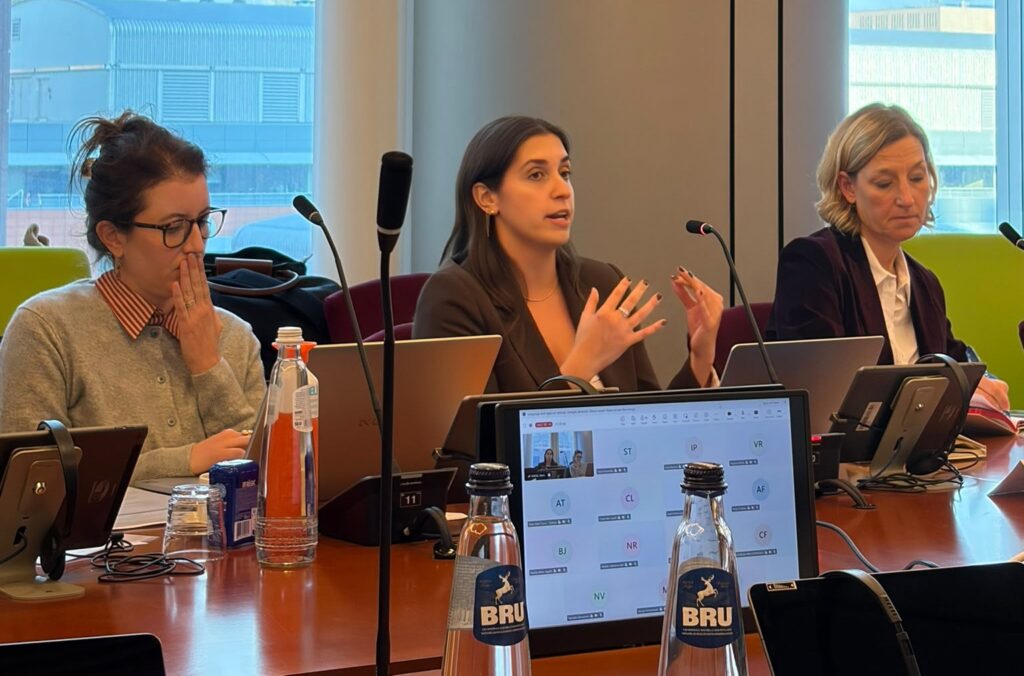
Mariana Moura Ramos, Director of the Clinical Psychology Unit at Coimbra Hospital and University Centre, brought ESHRE’s expertise on the psychological impact of fertility treatment. With 90% of respondents reporting stress and/or anxiety balancing treatment with work, the case for psychologically informed workplace support could not be clearer.
Birgit van Hout, Director of the UNFPA Representation Office to the EU, reminded the room that the real fertility crisis is one of choice and autonomy, not numbers. UNFPA research shows that 1 in 5 people expect not to have the number of children they want, with health concerns, including infertility, among the main barriers. She called on employers to treat infertility as an occupational health priority, through inclusive policies, access to psychological support and leadership-led culture change.
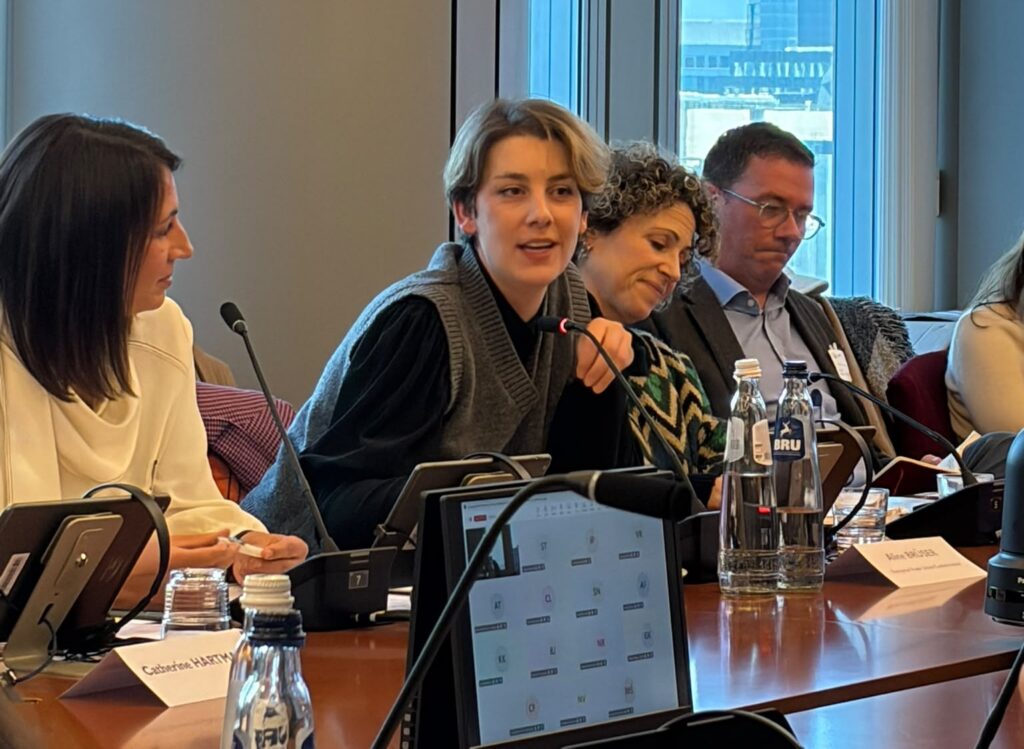
Fertility must be recognised as a legitimate workplace and equality issue. The report calls for action from:
Closing the event, Quaestor Marc Angel set out the next steps. Where a person lives or works, should not determine whether they can combine fertility care with working life with dignity, security and fairness.
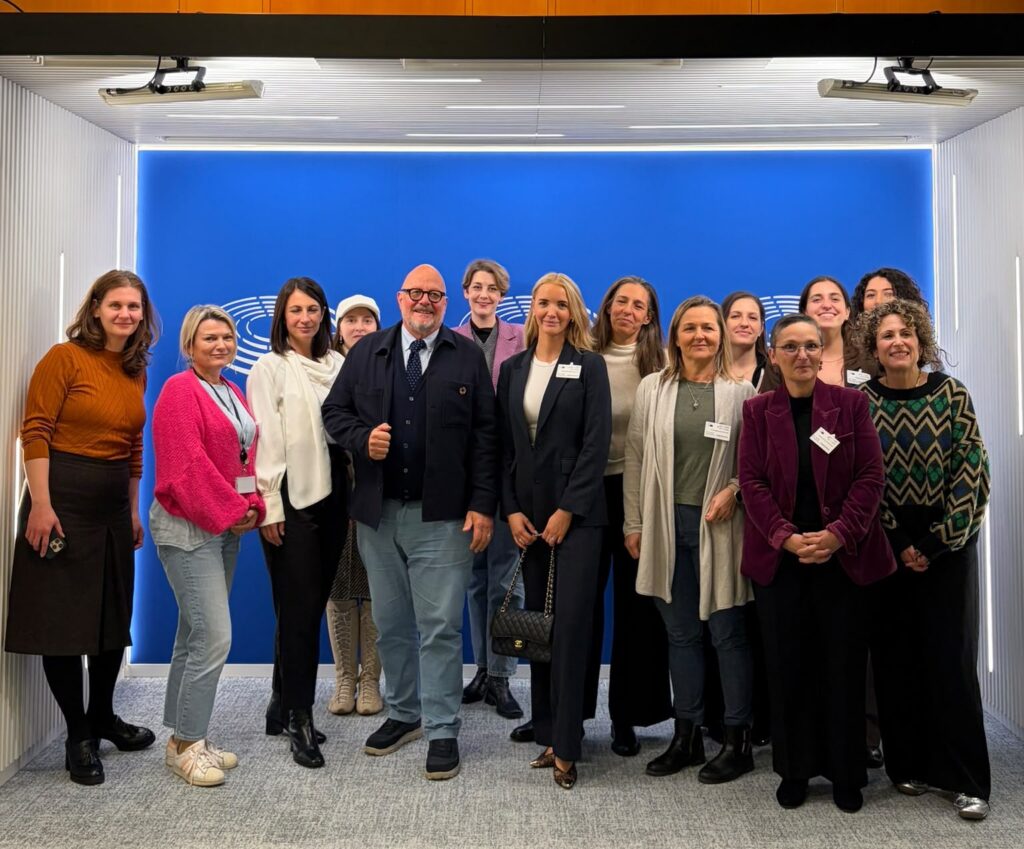
We thank Quaestor Marc Angel and MEP Majdouline Sbaï for hosting the event, and all speakers, partners and participants for their contributions. Above all, we thank the 2,717 people who shared their experiences in the survey.
#EFW2026DoubleDuty
Copyright © 2026. Fertility Europe. All rights reserved.
Design & Development: Plavi Pixel 2025.
Join our newsletter to receive heartfelt stories, expert insights, and updates from Fertility Europe.