The patients’ perspective at the ESHRE Annual Meeting
The European Society for Human Reproduction and Embryology (ESHRE) has generously given Fertility Europe time in the main program of their Annual Meeting. This ‘Patient Session’ consists of three or four lectures focusing on the patient’s perspective of a particular subject.
Past meetings:
Paris 2025
Raising fertility awareness: the importance of informed choices
- Mariana Veloso Martins: ‘Fertility Literacy in Action: Design and Pilot Results from the FActs! Serious Game in Europe’
- Irina Popova: ‘Focus on Next Generation: Promoting Informed Choices and Reproductive Health through Innovative Digital Educational Platform’
- Beate Mühlroth: ‘Too Young to Worry? My Fertility Journey’
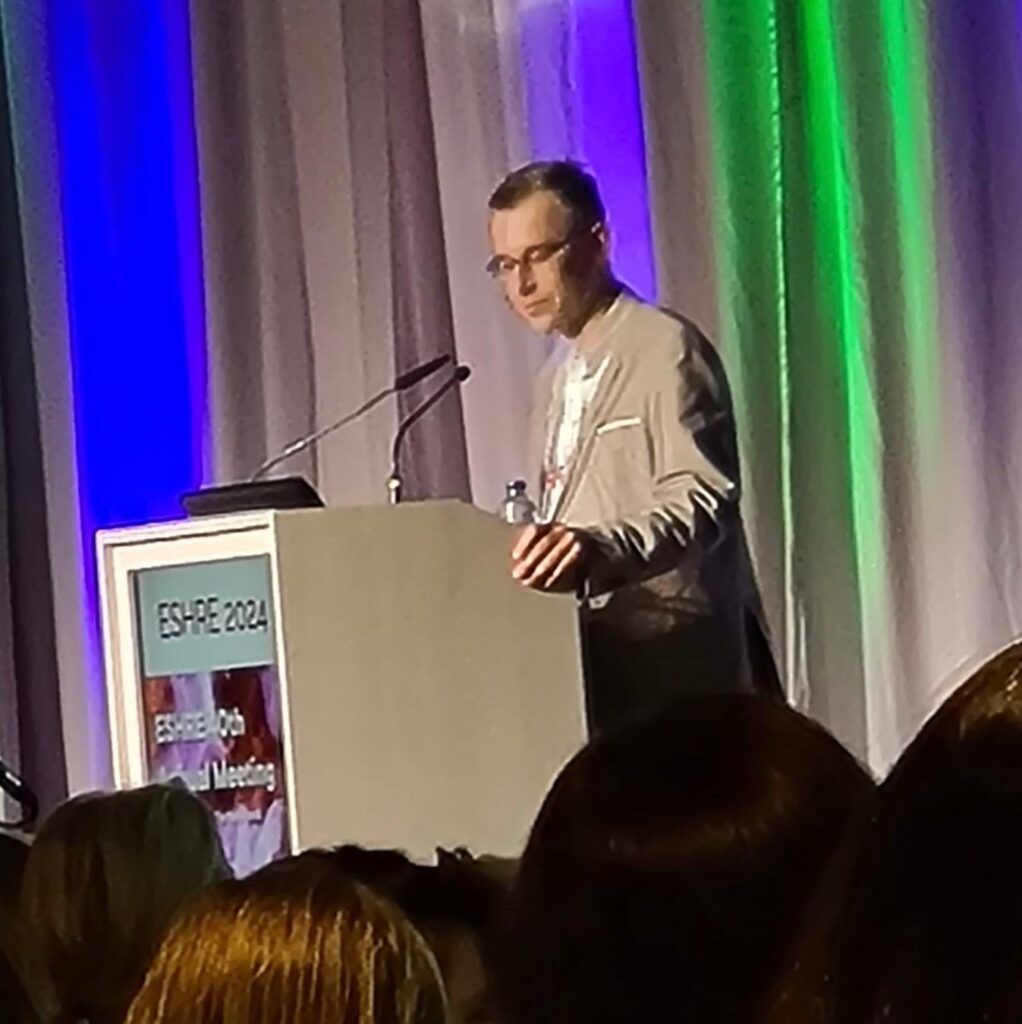
Amsterdam 2024
Donation: a 360° view
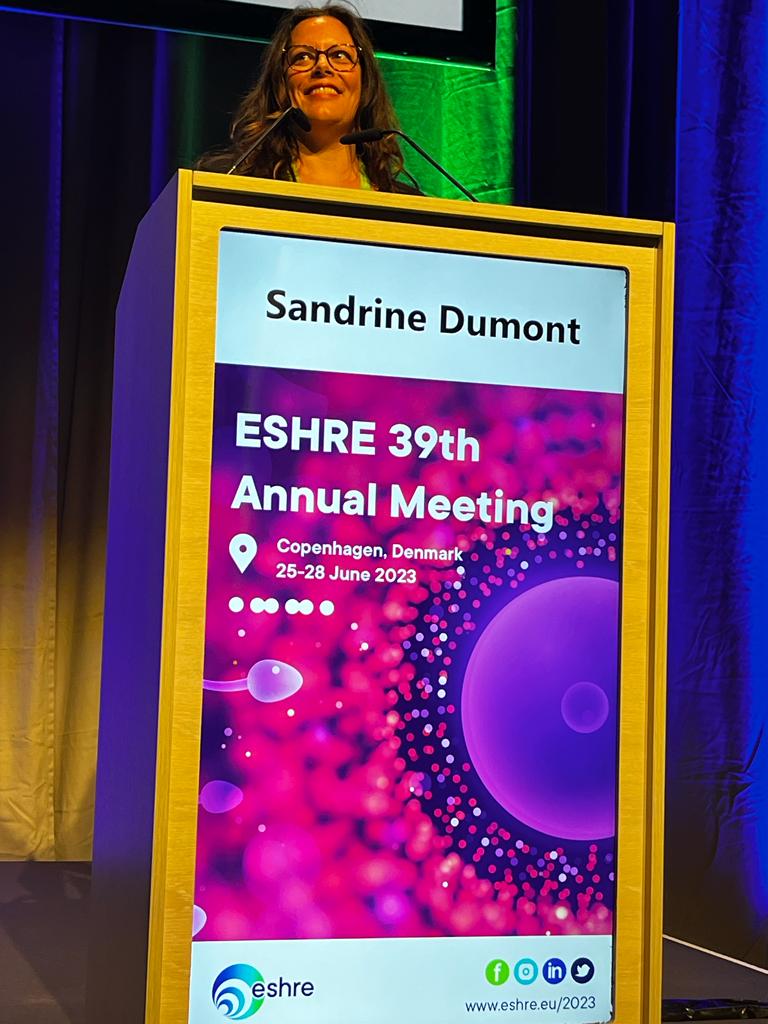
Copenhagen 2023
Infertility hurts, don’t leave us without support
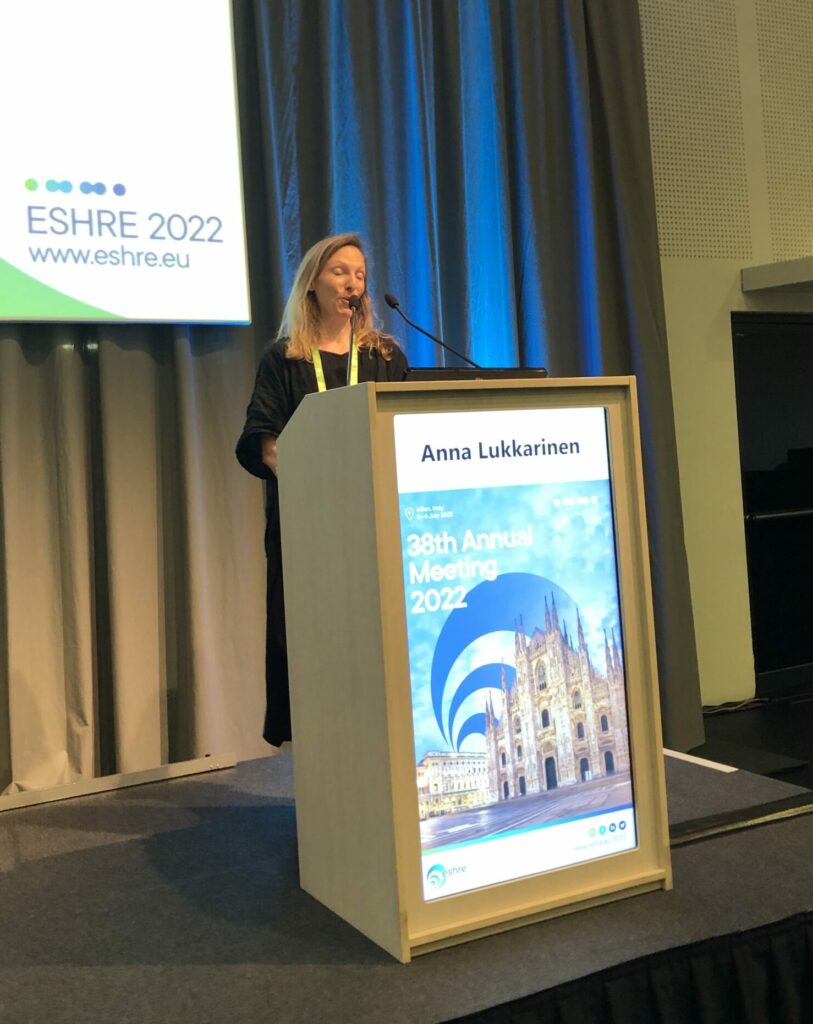
Milan 2022
“IVF industry – curse or blessing”
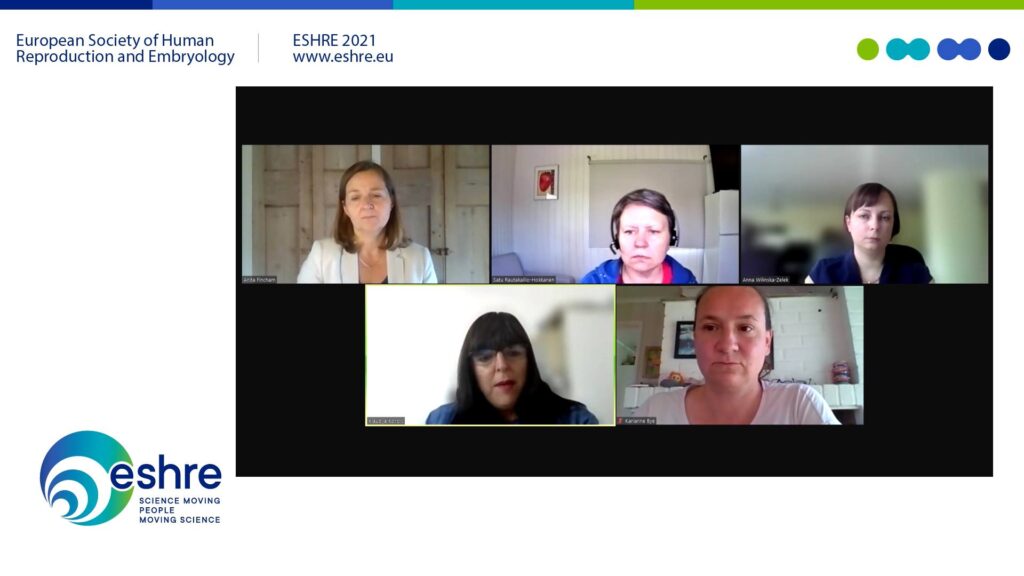
Virtual congress 2021
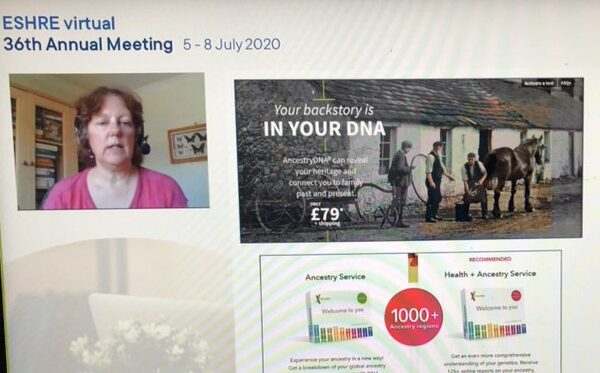
Virtual congress 2020
- Debbie Kennett:
‘Genetic ancestry testing and the end of donor anonymity‘
- Anita Fincham:
‘Infertility – the political treatment’
Vienna 2019
Communication during the infertility journey
- Sandra Jovanovic: ‘First visit – problems in communication with fertility specialists’
- Jessica Hepburn: ‘Dear Doctor – can you hear me? Improving communication between professionals and patients’
- Ellen van der Valk: ‘When there’s a big disappointment, we don’t know if that’s the end of the story’
Barcelona 2018
- Amrita Pande: ‘Surrogacy and stratified kinship’
- Ana Galhardo (Portugal): ‘Surrogacy in Portugal – from struggle to accomplishment’
- Kaisa Kivipuro (Finland): ‘What it is to be a wombless woman in the age of ART’s? Patient’s perspective on gestational surrogacy in Finland’
Geneva 2017
Pushing things forward: accelerating change – patient association role in MAR
- Satu Rautakallio-Hokkanen (Finland), Chair of Fertility Europe Executive Committee: ’25 million people matter. Patients network as a driving force in Europe.’
- Jose Knijnenburg (The Netherlands) from Freya: ‘Questions? Questions! How can patients contribute to the improvement of fertility care?’
- Irina Popova (Bulgaria) from Zachatie Sdrujenie: ‘Reproductive health education of adolescent as a tool for early prevention of infertility.’
- Irena Lodder Rozic (Croatia) from RODA: ‘MAR in Croatia: Retrospective and Prospective. The role of patients’ organisation in positive change of MAR practices.’
Helsinki 2016
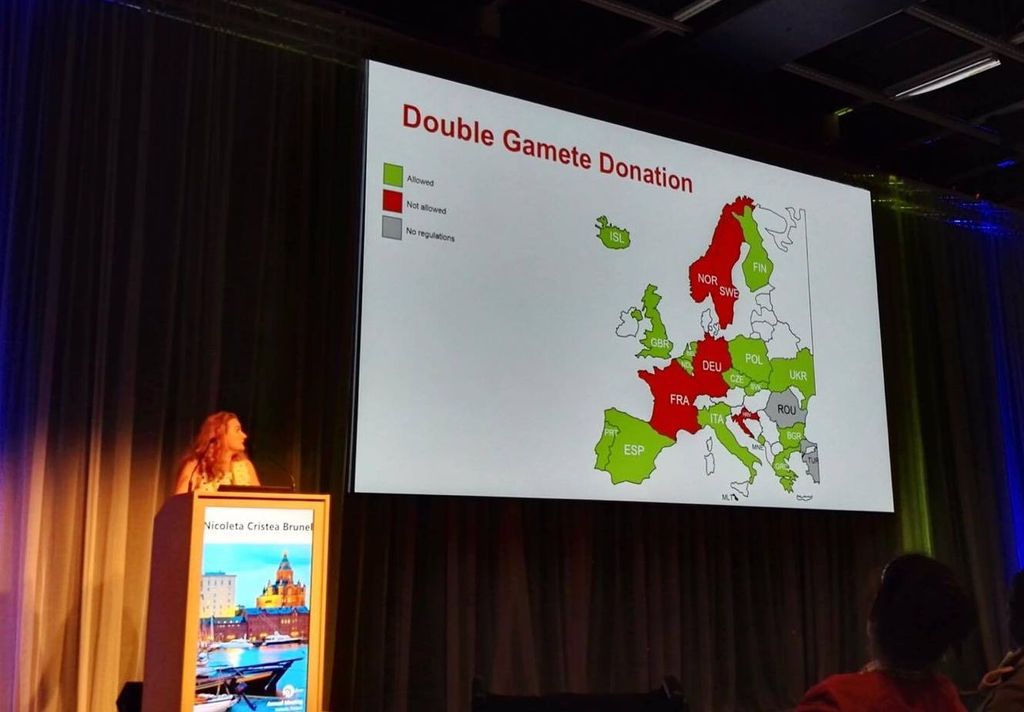
Embryo and Double Gamete Donation
- Anna Krawczak (Poland) – ‘Should embryo donation be mandatory? Patients’ perspective on Polish Law on infertility treatment.’
- Nicoleta Cristea-Brunel (Romania) – ‘Comparative analysis on the situation of embryo and double gamete donation in Romania and France.’
- Ofra Balaban (Israel) – ‘Embryo donation – new legislation. The case in Israel.’
- Caroline Spencer (UK) – ‘Embryo and double gamete donation – Talking and Telling.’
Lisbon 2015
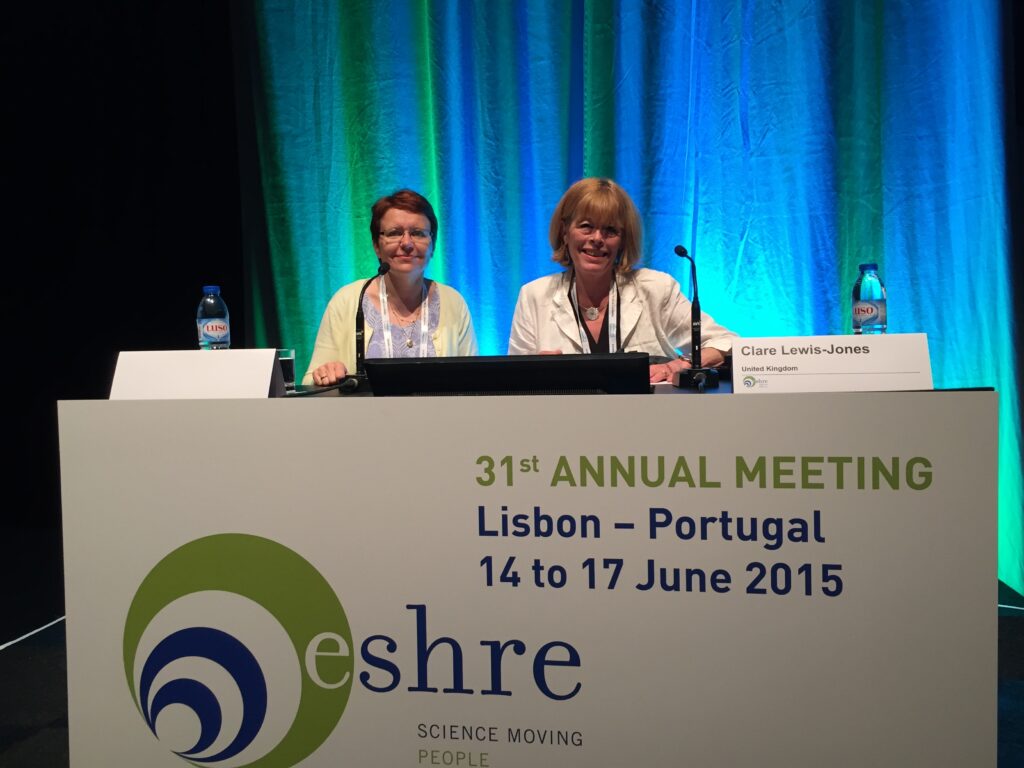
Social infertility vs. medical infertility
- Diana Guerra Diaz (Spain): ‘Psychosocial differences between medical and social infertility.’
- Ana Galhardo (Portugal): ‘Are there other choices? Attitudes towards social freezing, gamete donation and surrogacy in young adults in reproductive age.’
- Karoline Steckley: ‘Missing the Fertility Train? Italian lifestyle, social structure, economy and how the country that loves kids is making it difficult to have them.’
- Irina Popova (Bulgaria): ‘The late lessons of delayed motherhood – from a patient’s perspective.’
Munich 2014
Social infertility (e.g. gamete freezing for social reasons; delayed pregnancy; age factor)
- Rita Vassena (Spain): ‘Social egg freezing- the clinician point of view: information, indications and expectations.’
- Vanya Savova (Bulgaria): ‘The Conflict between Psychology and Medicine – Social Freezing Motivation and Consequences.’
- Hana Konečná (Czech Republic): ‘Social freezing, unlimited access and open identity – a Rainmaker?’
- Fernando Oliveira (Portugal): ‘Medicalizing and socializing infertility in the 21st century.’
London 2013
Managing relationships through infertility
- Sheila Pike (UK): ‘Decision-making, ending treatment and the couple relationship: a counsellor’s perspective.’
- Helga Sol (Iceland): ‘Love, sex and infertility. The art of growing as a couple when dealing with infertility.’
- Erikjan Bor (The Netherlands): ‘Surviving Infertility: How I never became a dad, but still going strong with my wife.’
- Tim Child (UK): ‘Ending fertility treatment- when, why and how should clinicians advise our patients?’
Istanbul 2012
Quality in various aspects of fertility treatment (quality of medical care, quality of clinics, quality of information, quality of life)
- Willianne Nelen (The Netherlands): ‘The role of clinical guidelines in quality of care.’
- Alina Beatris David (Romania): ‘Quality in MAR perceived by the Eastern European Patient.’
- Elin Einarsdottir (Iceland): ‘Quality of Treatment, when there is only ONE.’
- Peter Thompson (UK): ‘Quality from the Regulator’s perspective’
Stockholm 2011
Education in fertility awareness. From prevention to action: whose duty?
- Hana Konečná (Czech Republic): ‘Reproductive medicine: good servant but bad boss?
- Tanja Tydén (Sweden): ‘Attitudes to and awareness of fertility issues among adolescents and young adults in Sweden.’
- Geertrui de Cock (Belgium): ‘Infertility prevention campaign: a multi-stakeholder example from Flanders, Belgium’
Rome 2010
How patient-friendly is patient-friendly? A global overview.
- Guido Pennings (Belgium):’The ethical approach to patient friendly AR’
- Vincenza Zambaldi (Italy): ‘Patient-friendliness in Italy – which will represent the Western-European perspective’
- Denisa Priadková (Slovak Republic): ‘How patient-friendly in Eastern European countries is translated into a quick way to IVF, with a lack of information about choices etc.’
- Gamal Serour (Egypt): ‘What does patient-friendly mean in the developing countries?’
Amsterdam 2009
- José Knijnenburg (The Netherlands): ‘Broad collaboration for new guidelines in the Netherlands; The role of the patients.’