

Reading time: min
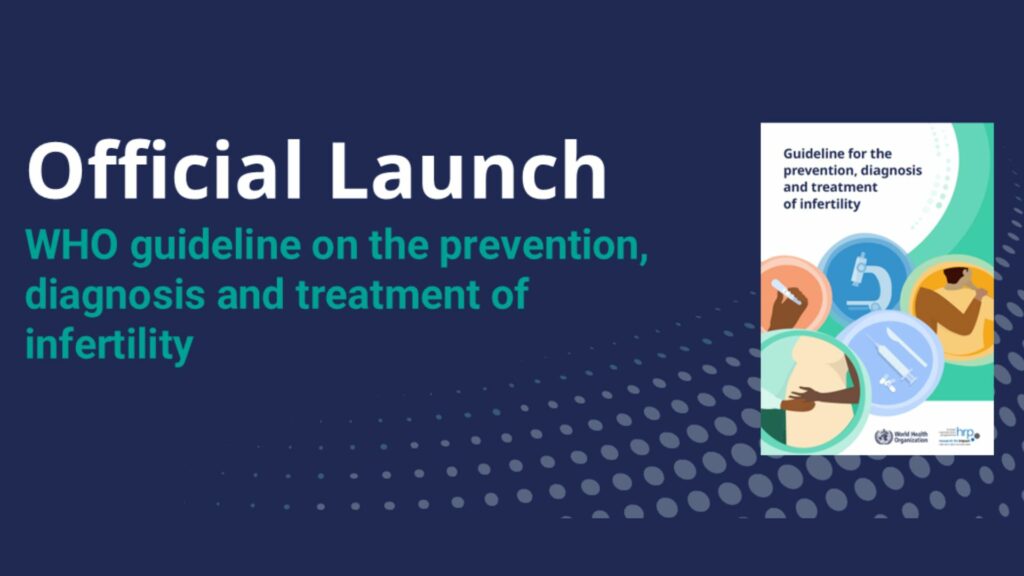
The World Health Organization (WHO) has just issued its first-ever global guideline for the prevention, diagnosis and treatment of infertility – a major step for reproductive health worldwide.
The guideline recognises infertility as a public health challenge that affects roughly one in six people of reproductive age globally. It sets out 40 evidence-based recommendations designed to make fertility care safer, fairer and accessible, as well as more affordable for public health funding.
The guidance covers the full continuum: from prevention (e.g. raising fertility awareness; addressing lifestyle and risk factors), to diagnosis and treatment.
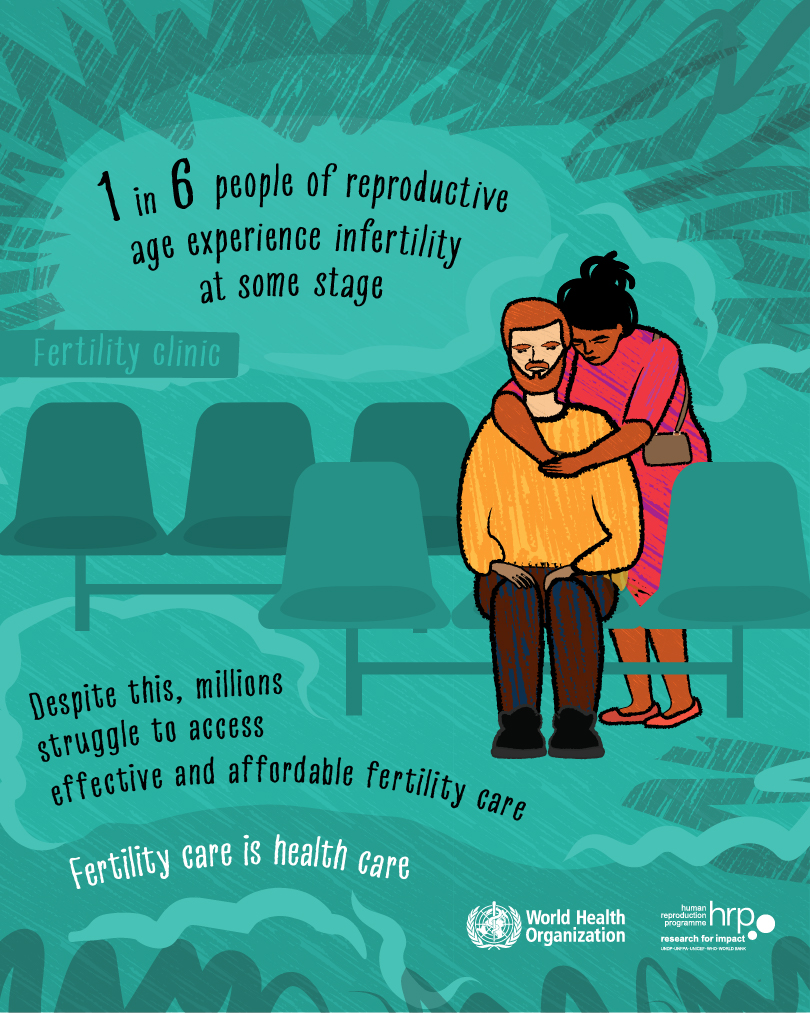
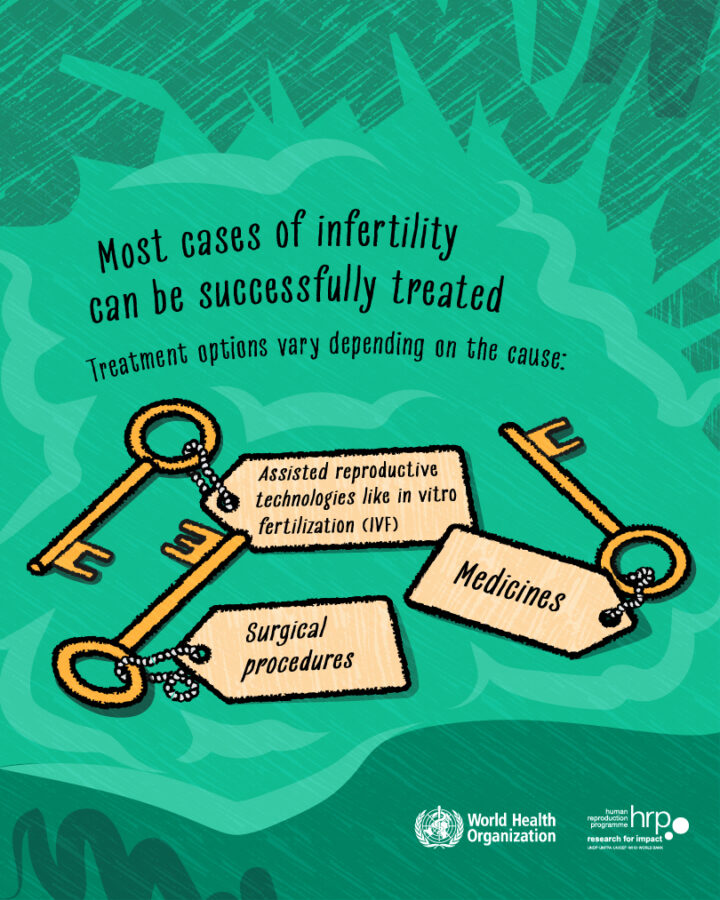
The new guidance emphasises a broad, inclusive and realistic definition of fertility care. Key elements include:
At the heart of the WHO guideline is a commitment to gender equality, human rights and reproductive justice. As the WHO puts it: “People everywhere should have the opportunity to make informed, individual decisions about whether, when and how many children to have.”
For the mission of Fertility Europe, this represents a critical step forward. The guideline aligns directly with our values:
By embracing these recommendations, national health systems can move from seeing fertility care as a luxury or afterthought to recognising it as an essential part of sexual and reproductive health, integral to human dignity, well-being and social justice.
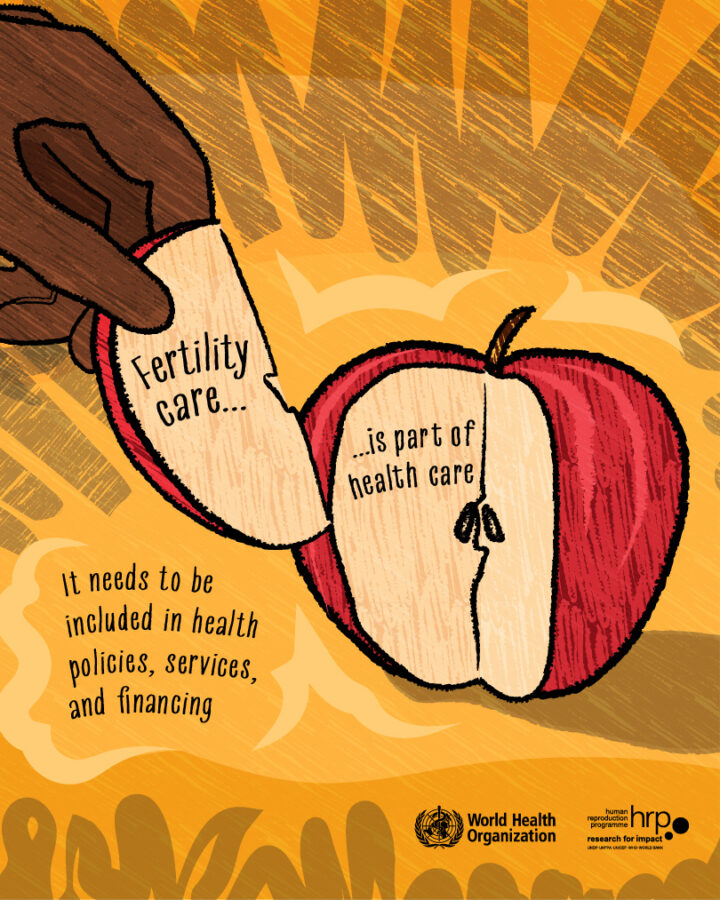
The publication of the WHO guideline is only the first step. For it to drive real change, and for fertility care to become truly universal, the following are essential:
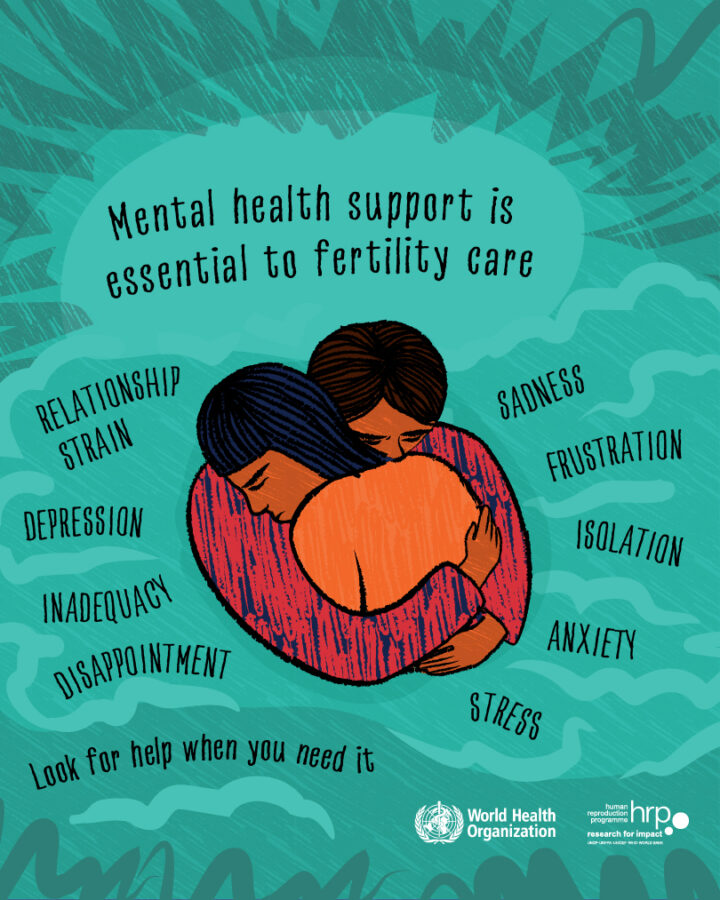
The new WHO guideline represents a landmark advancement in global reproductive health, putting infertility on the map as a legitimate, preventable, treatable health issue – not a private misfortune. For organisations like Fertility Europe, it offers both a validation of our work and a powerful tool to push for systemic change.
We are proud that a representative of Fertility Europe – our past Chair, Klaudija Kordic, along with two other patient representatives, was part of the expert team behind the WHO guideline. Their involvement reminds us that fertility care must be rooted in real human needs.
By disseminating these guidelines, advocating for their implementation, and ensuring fertility care is rooted in human rights, we take a decisive step toward reproductive autonomy, reproductive justice, and equal access for all who need it – regardless of background, identity or income.
We urge policymakers, governments, health-care providers and civil society across Europe and globally to adopt and act on these recommendations without delay.
The video recording of the official launch of the “Guideline for the prevention, diagnosis and treatment of infertility” can be watched here:
Copyright © 2026. Fertility Europe. All rights reserved.
Design & Development: Plavi Pixel 2025.
Join our newsletter to receive heartfelt stories, expert insights, and updates from Fertility Europe.